
The ranking methodology used by BestOnlyFans tracks base rates and promotional periods separately, which is the starting point for everything below. If you have ever joined on a $3 first-month deal and then watched the renewal jump to $12, you already know the rate is not fixed. This guide explains the mechanics behind seasonal price movement, how promotional windows sit inside the permanent $4.99 to $49.99 base range, and how to time entries so you pay less without losing access to the creators you follow.
Timing matters because creators set their own rates and adjust them around demand cycles. A page charging $14.99 in December might run a $4.99 first month in January to rebuild subscriber numbers. Understanding why those swings happen, and where to see them documented, turns guesswork into a manageable budget decision.

How OnlyFans Pricing Mechanics Permit Seasonal Flexibility
The floor for a base subscription price is $4.99, and the ceiling is $49.99. Whatever seasonal discount a creator advertises, the standing rate they return to after the promotion must respect that floor.
A creator may set a first month at $3 to bring in new subscribers, even though the base rate cannot sit below $4.99. Once it ends, the subscription converts to whatever base price is active at that moment.
- Base subscription prices must stay within $4.99 to $49.99.
- A promotional first month may dip below the $4.99 floor, for example $3.
- Creators keep 80 percent of every payment after the 20 percent platform fee.
- If a creator raises the base price, auto-renewal stops and existing access runs until the paid period ends.
That last rule is your main protection. When a creator raises the price, the system does not silently charge more. Auto-renewal switches off, and you decide whether to re-subscribe at the new rate.
Tip: before subscribing at a promotional rate, check the page’s stated base price. If the creator only advertises “first month” wording and the standing rate is hidden, treat the renewal figure as the real cost and budget accordingly.
Reading Temporal Price Signals on BestOnlyFans Rankings
The platform has no built-in discovery feed or directory, which is precisely why independent ranking sites exist. They aggregate the pricing information a subscriber would otherwise collect page by page. The value for seasonal timing lies in how each ranking card separates current price from historical context.
| Ranking Field | What It Displays | How to Interpret for Timing |
|---|---|---|
| Current price | The base subscription rate active right now | Compare it against the promotional rate you were offered |
| Historical low | The lowest base rate the page has shown | Shows whether the current rate is elevated or normal for that creator |
| First-month promotional rate | The discounted introductory price, if one is running | Signals an active acquisition push rather than a permanent price cut |
| Last-updated timestamp | When the pricing data was last refreshed | Older timestamps mean verify the price on the page itself |
When a card shows both a low first-month rate and a higher standing rate, the creator is running a promotional window. When the two figures match, the page is priced flat and no discount is active.

Distinguishing genuine value from marketing timing comes down to one question: would you pay the base rate for this page? If yes, the promotion is a bonus. If the page only looks attractive at the discounted price, the promotion is doing the work, and the renewal will feel like a loss.
Calendar Patterns in Creator Discounting Behavior
Promotional activity clusters around predictable moments rather than spreading evenly across the year. The pattern is not published data, but the logic behind it is visible in how creators launch and manage pages.
- New page launches, where an introductory rate builds the first subscriber base.
- Content milestones, such as reaching a posting streak or library size worth advertising.
- Platform feature pushes, when creators test new tools and want audience feedback.
- Personal anniversary dates tied to the page’s own history.
Subscribers who track a handful of pages will notice that discounts often bunch together in the same weeks, especially early in a new year or right after a quiet period.

The influx effect matters too. When a creator discounts, new subscribers arrive in a wave, and the content feed, message volume, and PPV offers all shift to serve that wave. Timing your entry to miss the initial rush can mean a calmer first month at the same price. Waiting a few weeks also gives you time to read recent posts before paying, which reduces the chance of joining a page that no longer matches its older reviews.
The Auto-Renewal Cliff After Promotional Entry
The most common budgeting mistake is treating a promotional rate as the subscription’s real price. A $3 first month on a page with a $12 base rate is a one-time entry cost, not a monthly figure.
- The promotional banner disappears from the creator’s page.
- The ranking card shows two distinct price fields instead of one.
- The creator posts or messages about an upcoming rate change.
- Your wallet or subscription preview displays a higher renewal amount.
Checking your subscription list a few days before the renewal date takes under a minute and prevents the surprise entirely.
There is a counterintuitive detail worth knowing: when a creator raises the base price, auto-renewal stops by design. That protects you from silent increases, but it also means a page you intended to keep can lapse if you miss the change. If you want continued access at the higher rate, you have to re-subscribe manually.

Budgeting for Promotional Entry Versus Sustained Rates
A promotional entry lowers month one, but the following eleven months run at the base rate. Add any pay-per-view unlocks triggered by the discounted month, and the gap between strategies narrows fast.
| Strategy | First Year Cost at $10 Average | Risk Factors |
|---|---|---|
| Continuous base-rate subscription | About $120 across twelve months | No discount capture; rate may rise mid-year and pause auto-renewal |
| Maximum promotional stacking | Roughly $113, assuming one $3 month | Renewal shock after conversion; higher PPV spending during the discount month |
| Balanced mixed approach | Close to $115 with staggered entries | Requires calendar tracking; occasional access gaps between cycles |
- List the twelve-month full-price total for each page you follow.
- Subtract the amount saved by any promotional months you qualify for.
- Add PPV spending that the discounted month triggered.
- Compare the result against simply paying the base rate all year.
For most subscribers the honest answer is that promotions save a few dollars, not half the bill. The real levers are PPV discipline and knowing when a paid chat at $3 to $5 per message is worth it. Tips, which can run up to $100, sit entirely outside subscription math and deserve their own budget line.
A card verification hold of $0.10 may appear when you add a payment method; it is refunded within days and is not a charge for content.
Managing Subscription Portfolios Across Price Cycles
Once you follow more than three or four pages, renewal dates start colliding. Staggering entries by roughly 30 days keeps your spending flat instead of spiking when several promotional months convert in the same week. A simple calendar alert 48 hours before each conversion is enough to stay ahead of it.
- Stagger promotional entries so no two convert in the same week.
- Set calendar alerts 48 hours before each conversion date.
- Keep one steady-rate anchor subscription you never rotate.
- Leave one flexible slot open for trial pages and free pages.
Free pages priced at $0 belong in that flexible slot. They cost nothing to hold, earn the creator money through PPV messages and tips, and let you gauge content quality before committing to a paid entry. Readers who want a broader view of how pages rank against each other can check who is number 1 onlyfans for a comparison reference before locking in a subscription.
Portfolio management is less about squeezing out the last dollar and more about avoiding stacked conversions. Three pages converting to full price in one month can triple a budget you had carefully planned at promotional rates.

When Stable Pricing Signals Creator Consistency
Some creators never discount. Their base rate holds steady for years, and no first-month promotions appear on their ranking cards. That stability can mean two different things, and telling them apart takes a little observation.
Confident pricing usually comes with consistent posting, clear content descriptions, and no urgency messaging. Rigid pricing can also reflect a business model that simply does not chase growth, which is not a problem unless you were waiting for a discount that will never arrive.

A steady $9.99 page with reliable output may deliver better value over a year than a discounted page that posts sporadically. Subscribers who understand the pricing band, the conversion mechanics, and their own renewal calendar make that call in seconds rather than guessing.
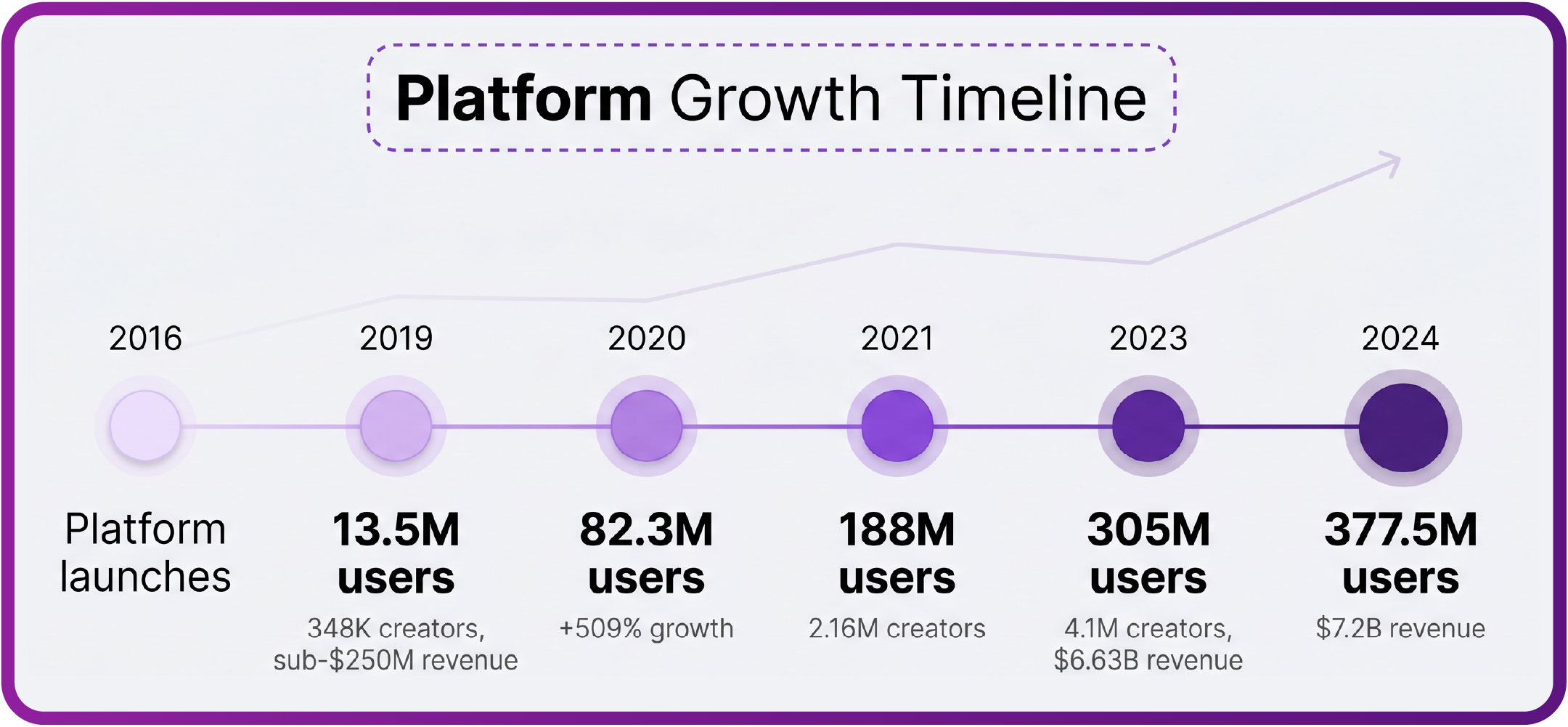
The platform’s user growth, documented year over year, shows how quickly the subscriber pool expands around major cultural moments. Pricing follows those waves. You do not need to predict them, only to check the numbers before you click subscribe.
FAQ
Can a creator change my promotional rate to full price without notifying me?
Promotional pricing applies only to the introductory period, and the conversion to the base rate is defined in advance. When a creator raises the base price itself, auto-renewal stops automatically, so you are never charged a higher rate without a decision on your part.
How quickly does BestOnlyFans reflect price changes in its ranking data?
Ranking sites refresh pricing at different intervals, and any card carries a last-updated timestamp for that reason. Treat the data as a research layer rather than a live feed, and confirm the current rate on the creator’s page before paying.
Is there a limit to how many promotional subscriptions I can hold at once?
The platform does not cap how many subscriptions an account can hold, promotional or otherwise. The danger is not the count itself but stacked conversions, where several discounted months expire in the same billing cycle and the combined renewal lands at once.
What happens if I cancel a promotional subscription before it converts to full price?
You keep access until the end of the period you already paid for, and no further charge occurs. Cancelling early is a legitimate way to use a discount month without committing to the base rate, as long as you accept that access ends when the paid period runs out. Re-subscribing later starts a fresh billing cycle at whatever rate is then active.